


Have a Question?
Contact Us Now
Contact Us Now
What is Cancer Surgery?
Cancer surgery refers to a branch of surgery that focuses on removing and treating cancerous cells. This type of surgery may involve a variety of procedures, depending on the type of cancer and its spread. Cancer surgery includes methods such as surgical removal of the tumor, control of lymph nodes and surrounding tissues, reconstructive surgery and, if necessary, organ transplantation. Surgical intervention is used to provide local control of cancer and limit its spread. This treatment method plays an important role in the individual's fight against cancer, in conjunction with or as a precursor to other cancer treatment methods.
Types of Surgical Interventions
Cancer refers to a group of diseases that occur as a result of uncontrolled growth and proliferation of cells. Modern medicine offers various treatment options in the fight against cancer, but cancer surgery has an important role in these treatment methods. In this article, we will examine what cancer surgery is, how it is performed, and the important role of patients in the treatment process.

Tumor Removal (Resection)
Tumor excision or resection is the process of surgically removing cancerous tissue. This procedure means removing all or most of the cancerous tumor from the body. Resection may be performed to control the spread of cancer cells, relieve symptoms, or eliminate the cancer completely.
Removing Lymph Nodes
Removal of lymph nodes is a surgical procedure performed to control cancer cells that have spread during cancer treatment or to treat types of cancer associated with the lymph system, such as lymphoma. Lymph nodes are small organs located within the body's lymph system and play an important role in fighting infections as part of the immune system. However, cancer cells can spread to other parts of the body through the lymph. Removing lymph nodes is used as a strategy to reduce the risk of cancer cells spreading.
Reconstructive Surgery
Reconstructive surgery is a surgical procedure performed to repair or regenerate damaged, missing, or replaced tissues in an individual's body. This type of surgery is often used to correct deformities that occur following trauma, cancer surgery, congenital anomalies, or other surgical interventions. Reconstructive surgery may include aesthetic and functional improvements and aims to improve the patient's quality of life. Reconstructive procedures may involve various areas of the body, such as breast reconstruction, facial reconstruction, or limb reconstruction. This surgery can help patients regain their self-confidence and return to their normal lives.
Goals of Cancer Surgery
The main goals of cancer surgery are to control or completely eliminate cancerous cells, relieve symptoms, reduce the risk of metastasis, and improve the patient's quality of life. Cancer surgery's individualized treatment plans are determined based on the patient's cancer type, stage, and general health condition. The postoperative period includes supporting the patient's recovery and post-surgical follow-up.

Curative Treatment
Surgical interventions usually aim to remove the primary tumor, remove affected lymph nodes, or control the spread of cancer. This means surgical removal of cancerous tissue. Surgery is an important tool in the fight against cancer and is sometimes used in conjunction with other treatment modalities.
Palliative Treatment
"Palliative care" can be defined as one of the Goals of cancer surgery. This term indicates that the aim of the surgical intervention is to eliminate or minimize the symptoms caused by cancer. Cancer surgery aims to improve the patient's quality of life by removing or controlling the tumor. Palliative care aims to provide the patient with less pain, better functional status, and a generally healthier life in the postoperative period. Surgical interventions can contribute to patients achieving a better standard of living by effectively treating or alleviating these symptoms.
Metastasis Control
Metastasis control is one of the main goals of cancer surgery, and this term implies that the goal of surgical intervention is to control the spread of cancer. Metastasis refers to the spread of cancer cells from the primary tumor to other body parts. Surgical intervention aims to control these metastases and reduce the risk of spread. This can usually be accomplished by removing lymph nodes, removing metastatic lesions in distant organs, or other methods. Metastasis control is considered an important strategy to improve the patient's prognosis by preventing the further spread of cancerous cells within the body. This is an important factor taken into account when creating an effective surgical treatment plan for the patient's fight against cancer.
Frequently Asked Questions
What is cancer surgery?
Cancer surgery is a treatment method that involves surgical removal of cancerous tissues. Surgeries may include removal of the tumor, checking of lymph nodes, and reconstruction of organs if necessary.
How is cancer surgery planned?
When planning cancer surgery, the patient's cancer type, stage, general health condition and other treatment options are taken into consideration. An individualized treatment plan is created using presurgical evaluations, imaging tests, and a multidisciplinary approach.
How does the recovery process work after cancer surgery?
The recovery process after cancer surgery varies depending on the type of surgery and the patient's general health condition. Patients are usually discharged from the hospital within a few days after surgery, and full recovery may take several weeks or longer. Follow-up checks and rehabilitation support the patient's recovery process.
How effective is cancer surgery?
Cancer surgery provides successful results in many types of cancer. Complete removal of the tumor in early-stage cancers may increase the long-term survival of patients. However, effectiveness may vary depending on the type and stage of cancer and the patient's general health condition. Surgery can often be used in combination with other treatment modalities to achieve the best results.
Can cancer surgeries be performed closed? What are the advantages?
504 / 5.000
Many types of cancer, especially those that develop in the abdominal organs, can be performed with a closed method (laparoscopic). The stage of the tumor is extremely important in deciding on closed surgeries. Patient comfort increases significantly in closed cancer surgeries. In addition, there are important advantages such as early recovery, low risk of wound infection, low risk of incisional hernia, early recovery, low respiratory complications, early discharge and early start of post-surgical treatment.

Colon Cancer
It occurs when benign masses, usually called polyps, turn into cancer. Colon cancer often progresses without symptoms, so it can be difficult to diagnose in the early stages.
READ MORE
Liver Metastases
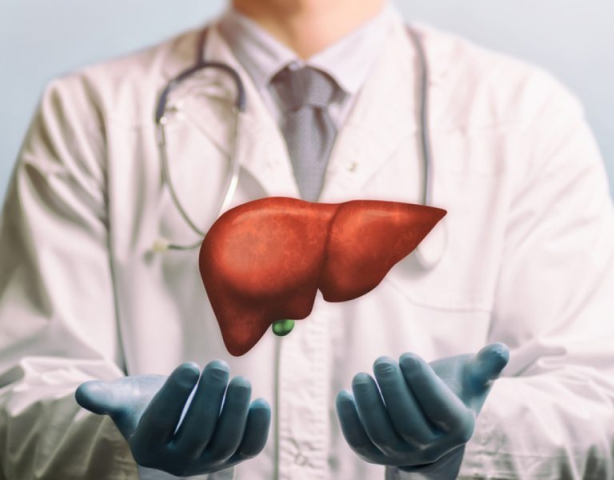
Liver metastases are secondary tumors that occur as a result of the spread of cancer cells elsewhere (primary) to the liver. This usually occurs at a stage when the cancer has become widespread.
READ MORE
Gastric Cancer
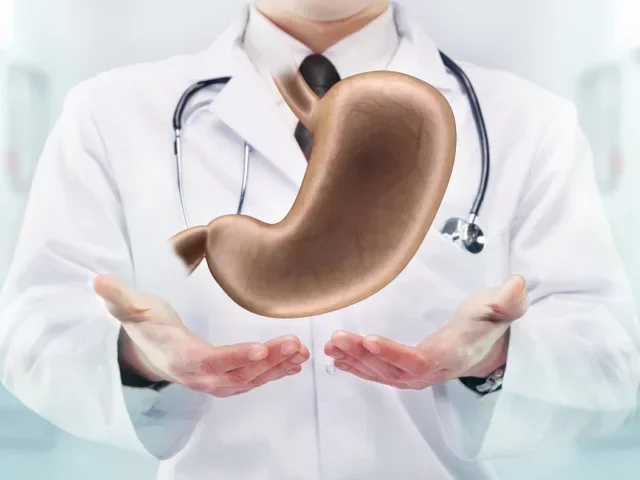
A diagnosis of stomach cancer is as serious as the life of any person diagnosed with stomach cancer. This type of cancer can start in the stomach lining and spread to other organs.
READ MORE

Pancreatic Cancer
Pancreatic cancer is a type of cancer that occurs as a result of abnormal growth in the cells of the pancreas. The pancreas is an organ with important functions such as digestive enzymes and insulin.
READ MORE

Gallbladder Cancer
Gallbladder cancer may not be a familiar term to many people. But this rare form of cancer is a serious concern in the healthcare world. Gallbladder cancer is a tumor that starts in the gallbladder and can be life-threatening if not diagnosed early.
READ MORE

Intra-Abdominal Tumors
Intra-abdominal tumors are unwanted growths that can occur in various organs. These tumors can be located in the abdominal cavity and affect important organs such as the liver, pancreas, spleen or kidney.
READ MORE
Adrenal Gland Tumors
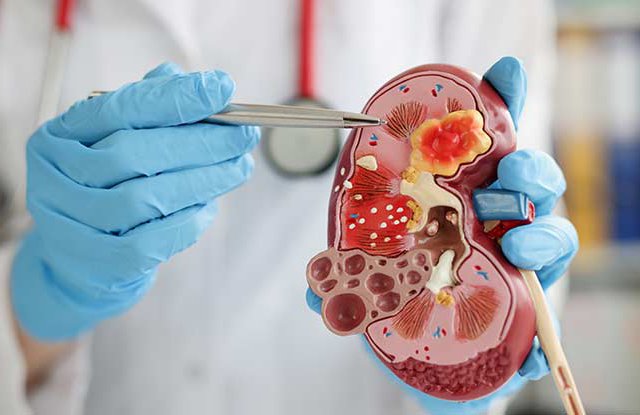
Signs and symptoms of tumors in the adrenal glands may vary depending on the size, type, and location of the tumor. However, some common symptoms may include high blood pressure, weight loss, muscle weakness, excessive sweating, and hormonal imbalances.
READ MORE
Esophagus Cancer
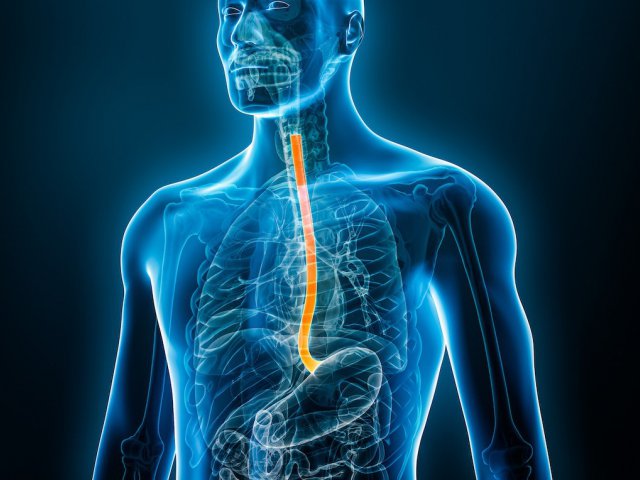
Esophageal cancer is a disease that can cause symptoms such as difficulty swallowing, weight loss and hoarseness. Early diagnosis and treatment are vital. On this page, you can find detailed information about esophageal cancer.
READ MORE
